
Grace Williams’ Urgent Case for Aging in Place Over the Next Five Years
As we collectively journey into a future shaped by demographic transformation, one reality stands out: why aging in place will be critical over the next five years. Grace Williams, Principal Owner at Grace In Design, brings a deeply personal perspective to this urgent topic. She emphasizes, “We’re all aging. Most people want to stay in their home. Aging in place isn't just a choice; it's a universal reality many must plan for.” The desire to remain at home resonates across generations, but meeting this aspiration requires both foresight and action.
According to Grace Williams, most individuals are either already facing or will inevitably confront the challenges and opportunities of aging in place. Yet, a prevailing misconception exists: many believe this is an issue others will face, not themselves. Williams urges us to dispel this myth, recognizing that adapting our environments for safe, independent living is essential for all. Over the coming five years, more families than ever will need resources and informed planning to support seniors living on their own terms. This is not just about personal preference; it's an unavoidable societal priority demanding our full attention.
“We’re all aging. Most people want to stay in their home. Aging in place isn't just a choice; it's a universal reality many must plan for.”
– Grace Williams, Grace In Design
The Growing Demand: Why Aging in Place Is a Societal Priority
The statistics are indisputable—across the globe, populations are aging at an unprecedented rate. Grace Williams explains that in some regions, over 20 percent of people are already aged 60 or older. This seismic shift means the demand for accessible, safe homes has never been greater. By 2030, the population of seniors is projected to eclipse younger generations in many developed countries, intensifying the urgency for home adaptation.
Williams underscores that aging in place is not just a matter of individual convenience or desire. “With 20 percent of populations already 60 or older, the need for accessible, safe homes has never been more critical.” The challenges extend far beyond mobility—they encompass emotional well-being, community connections, and proactive safety measures. As this demographic wave crests, societies must redesign not just homes, but approaches to health, care, and inclusion, making the next five years a pivotal window for transformation.
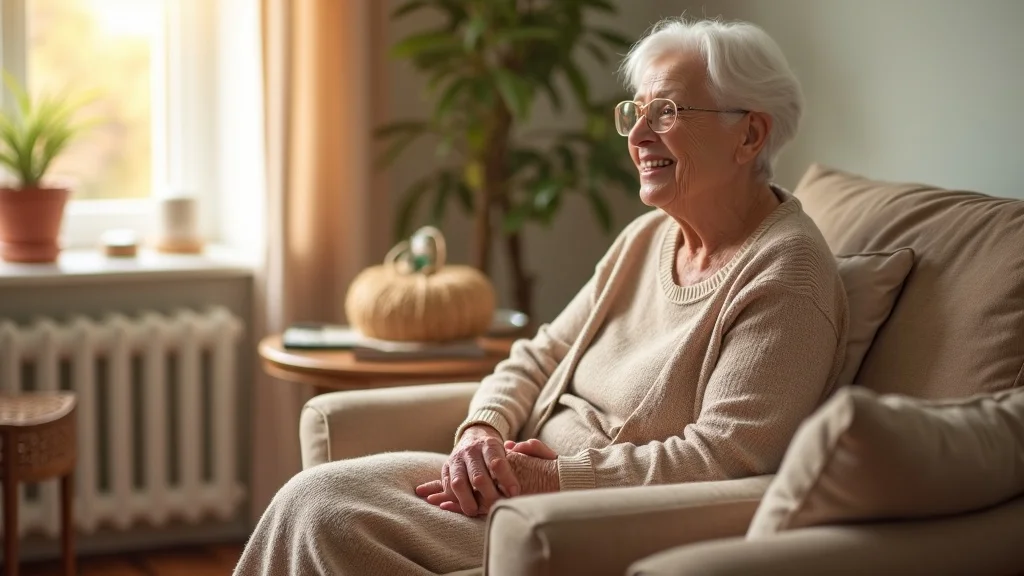
“With 20 percent of populations already 60 or older, the need for accessible, safe homes has never been more critical.”
– Grace Williams, Grace In Design
Everyday Stories Highlighting the Importance of Aging in Place
The impact of aging in place is not an abstract concept. “Aging in place touches everyone—whether it’s our own health changes or supporting family members facing mobility or sensory challenges.” Grace Williams brings home the reality that nearly every household will either grapple with their own aging journey or support a loved one navigating changes in health and capability. Everyday moments—helping a parent cope with dwindling eyesight, making sure a home is free from tripping hazards, or simply talking about future needs—are what make this issue universal.
Williams frequently encounters stories from families making decisions about how best to support aging relatives. These moments are often small but transformative: ensuring brighter lighting for an older adult with vision decline or installing a grab bar in a frequently used bathroom. “The story is all our stories,” Williams notes, emphasizing that planning for aging in place is relevant to literally anyone—today or in the near future. These experiences underscore why addressing home environments for safety and accessibility should begin long before crisis strikes.
In addition to making homes safer for everyday living, it's also important to consider how seniors can be better prepared for unexpected events. For practical guidance on safeguarding older adults during emergencies, you may find it helpful to review new resources that empower senior homeowners to tackle natural disasters safely, which offers actionable tips for building resilience in the face of natural hazards.
“Aging in place touches everyone—whether it’s our own health changes or supporting family members facing mobility or sensory challenges.”
– Grace Williams, Grace In Design
Common Misconceptions and Why Simple Changes Matter
Among the most enduring myths surrounding why aging in place will be critical over the next five years is that it demands costly, large-scale renovations. According to Grace Williams, nothing could be further from the truth. Many believe safety and accessibility require tearing down walls or rebuilding entire bathrooms. Williams dispels this, noting that “sometimes we can make small changes. It doesn’t have to be a large team.” Most meaningful improvements revolve around simple, strategic adjustments that boost safety and everyday comfort.
Williams draws attention to how minor, well-planned interventions—brighter lighting, removing trip hazards, installing grab bars—can create an environment where seniors not only feel secure but can truly thrive. The emphasis is not just on preparing for eventual physical limitations, but on enabling continued autonomy, reducing fall risk, and extending the time adults can enjoy their own homes. For most, these steps are affordable and immediately impactful.
The Myth That Aging in Place Requires Major Renovations
Grace Williams emphasizes that the majority of homes do not require drastic transformations to become safe spaces for aging occupants. Instead, subtle enhancements—such as swapping out dim bulbs for high-lumen fixtures, securing loose rugs, or repositioning furniture—are often sufficient. Williams has seen firsthand how tackling just one or two problem areas can dramatically improve quality of life. The narrative that aging in place comes with insurmountable expense or disruption simply does not hold up under expert scrutiny.
The focus, Williams advises, should be on identifying smallest, most potent modifications. She encourages individuals and families to start with an honest conversation about safety and accessibility, then work with experienced professionals to prioritize changes. By debunking the myth of major renovations, Grace Williams clears a path toward wider adoption of aging in place strategies—a crucial step as the demand surges in the next five years.
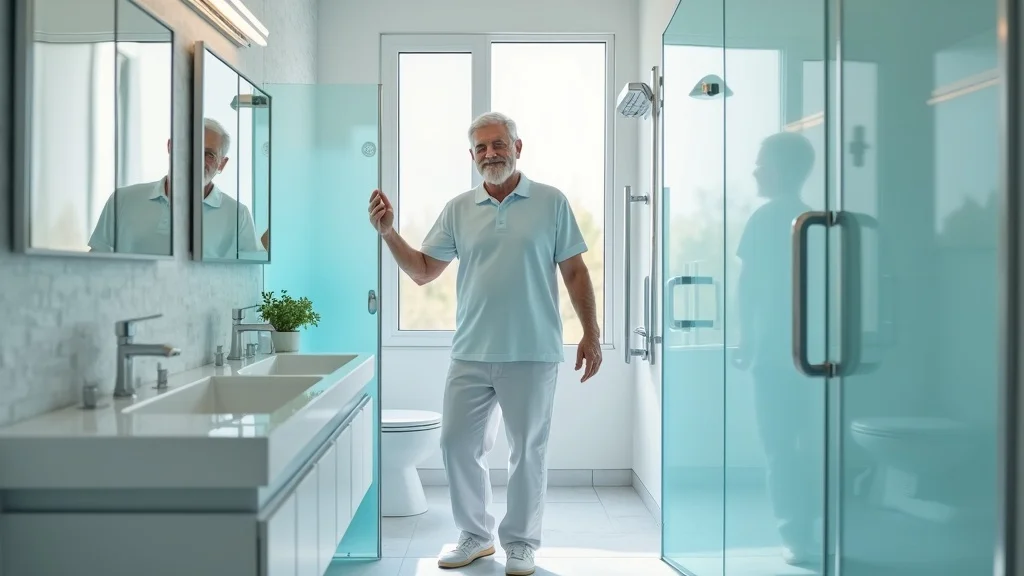
Small Home Improvements That Make Major Safety Impacts
When it comes to maintaining independence and well-being, the smallest upgrades can yield the greatest results. According to Williams, “Sometimes we can make small changes. It doesn’t have to be a large team. Bright lighting, grab bars, and removing trip hazards can help older adults thrive safely at home.” The next five years will see a growing acceptance of the idea that easy wins can have lifesaving consequences. Not only do these improvements reduce risk, but they set the stage for enjoyable, confident aging within familiar walls.
Williams recommends that families, especially those with aging members or recent health diagnoses, make a habit of routine safety assessments. Start by looking at where most falls or missteps occur—the bathroom, hallways, and entryways. Identify trip hazards and areas of low visibility, and prioritize addressing them right away. These small acts support the overall mission: thriving at home, safely and comfortably.
- Installing brighter, well-placed lighting to counter declining eyesight
- Eliminating tripping hazards like loose rugs and clutter
- Adding grab bars, especially in bathrooms where falls are frequent
“Sometimes we can make small changes. It doesn’t have to be a large team. Bright lighting, grab bars, and removing trip hazards can help older adults thrive safely at home.”
– Grace Williams, Grace In Design
How Aging in Place Enhances Independence and Quality of Life
For many, one of the greatest anxieties about aging is the potential loss of autonomy. By focusing on why aging in place will be critical over the next five years, Grace Williams highlights the tangible benefits for individuals and their families. Aging in place sustains not just physical independence, but emotional resilience—allowing seniors to shape their environments, routines, and lifestyles on their own terms. Williams stresses that “making simple changes can safeguard autonomy, reduce costs, and empower older adults to remain engaged in their chosen communities.”
The ripple effects extend beyond the individual. Retirees and baby boomers who remain in their homes can sustain connections with neighbors, participate in cherished neighborhood activities, and serve as active members of organizations or clubs. Aging in place, when planned effectively, preserves continuity, enhances stability, and creates a foundation for thriving communities that honor every stage of life.
- Maintains autonomy and control over living environments
- Preserves social connections by staying in familiar communities
- Is often more cost-effective than assisted living options
- Allows customization to meet evolving physical and sensory needs
The Role of Certified Aging-in-Place Specialists
As more families confront the needs of aging in place, guidance from specialists becomes invaluable. Certified Aging-in-Place Specialists (CAPS), like Grace Williams herself, bring a valuable blend of architectural, interior design, and wellness expertise. According to Williams, their role is not limited to simply making homes look appealing—they integrate safety, accessibility, and personal aesthetics to craft customized solutions that evolve with the homeowner’s needs.
Williams is among the rare practitioners who combine Interior Design credentials with WELL Certification, ensuring an evidence-based approach to every project. This means leveraging the latest in lighting, ergonomics, and universal design, tailored to maximize clients’ independence and comfort. According to Williams, “Our work as Aging-In-Place and WELL Certified specialists bridges design and safety to create homes where seniors can truly thrive.” It’s an investment not just in aesthetic appeal, but in dignity, safety, and lifelong enjoyment of home.
Combining Interior Design With Safety and Accessibility
Williams and her team approach every project as a unique partnership, balancing beauty, functionality, and the explicit needs of aging residents. She emphasizes that interior design is about more than visual appeal—it’s about creating spaces that remove barriers, anticipate challenges, and support evolving abilities. The process involves close collaboration, in-depth assessments, and the thoughtful integration of features like lever handles, non-slip flooring, and intuitive wayfinding.
The goal, Williams explains, is to provide solutions that feel seamless and natural, supporting seniors to age confidently in place. By fusing safety with comfort, their impact families for years to come—and make aging in place not just possible, but joyful.
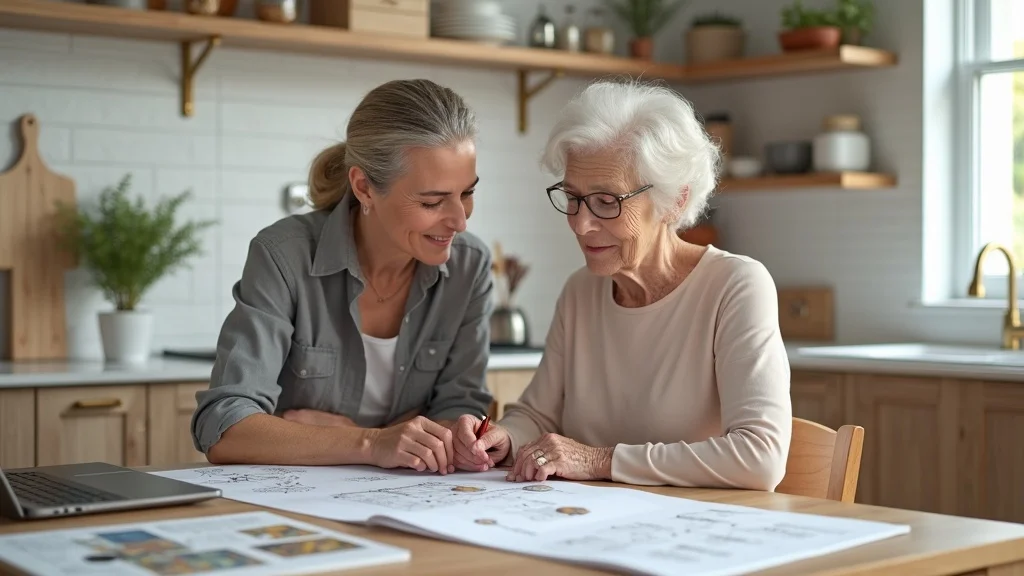
“Our work as Aging-In-Place and WELL Certified specialists bridges design and safety to create homes where seniors can truly thrive.”
– Grace Williams, Grace In Design
Key Takeaway: Start Planning Today for a Safer Tomorrow
If there is a single message Grace Williams wants every aging adult and their families to take away, it is this: Don’t wait to get started. The most profound gains in safety, independence, and quality of life come from early, proactive planning. With the number of seniors rising rapidly, now is the time to make those small yet mighty changes before they become urgent. Williams urges, “Thinking about aging in place proactively helps avoid crises later. Small steps taken now mean safety and independence for years to come.”
Begin by evaluating your own home’s safety profile. Take honest stock of lighting, pathways, and potential hazards. Even incremental upgrades can make a major difference over the next five years, creating lasting peace of mind for yourself and your loved ones.
- Assess your home for simple safety upgrades
- Consult aging-in-place experts to customize solutions
- Address sensory and mobility changes early with modifications
- Prioritize small, manageable improvements over costly renovations
Seize the Moment: Why Immediate Action Matters
As Williams highlights, acting now isn’t just about avoiding future falls or illnesses—it’s about protecting cherished routines, memories, and connections. Families that make early improvements consistently report greater satisfaction, less stress, and more robust independence among their older members. Time is a critical factor, and the next five years will define whether thousands can remain in the homes they love.
According to Williams, even for those without urgent needs, beginning the process early increases the number of choices and reduces the likelihood of later-life crises. The best time to act is always sooner rather than later—a truth the coming wave of retirees cannot ignore.
“Thinking about aging in place proactively helps avoid crises later. Small steps taken now mean safety and independence for years to come.”
– Grace Williams, Grace In Design
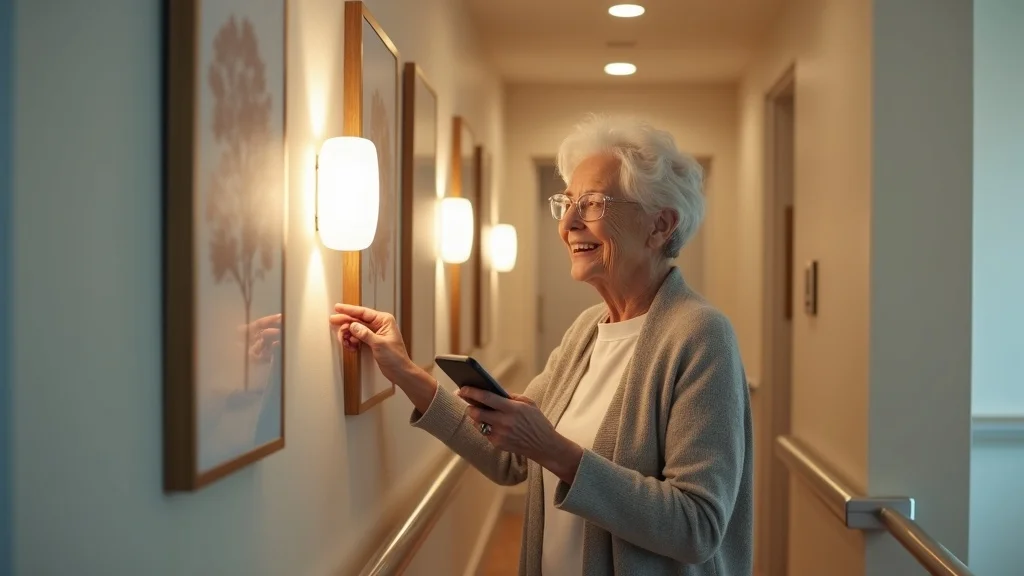
Learn More and Take Charge of Your Aging-in-Place Journey
Our environments should evolve alongside us, keeping us safe, confident, and connected, no matter our age. Grace Williams and the Grace In Design team are committed to guiding individuals and families through the journey of aging in place with compassion and expertise. Their mission is to make “home” a sanctuary at every stage of life, rooted in both timeless comfort and modern safety innovation.
Ready to take the next step toward a safer, more independent future? Explore how working with a Certified Aging-in-Place Specialist can help turn your house into a home for a lifetime.
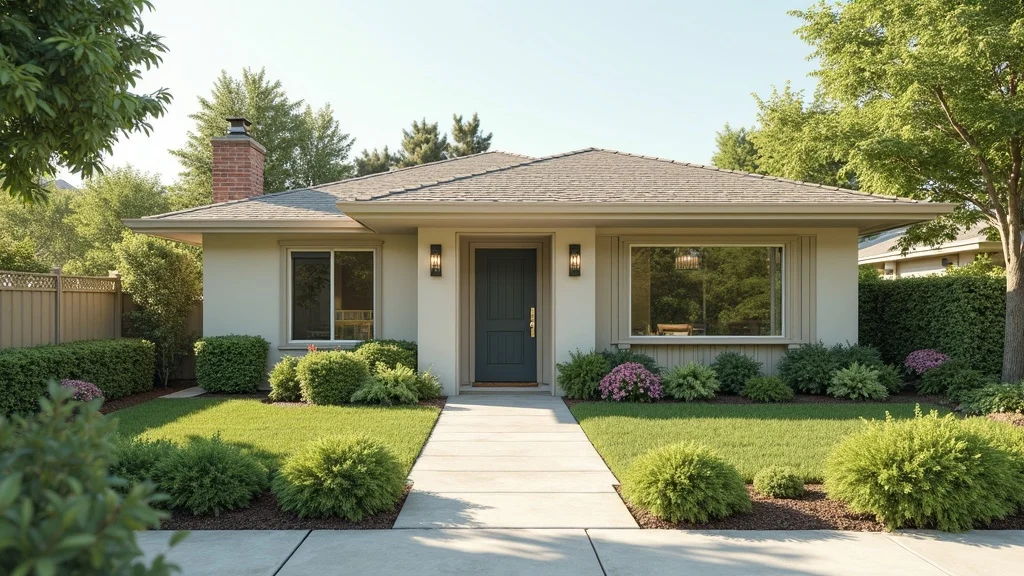
As populations continue to age, society must transition from reactive fixes to proactive planning. Engage early, make meaningful yet attainable changes, and trust experts like Grace Williams to help you navigate the journey ahead. The next five years hold the key—start your journey today.
Make your house a home for a lifetime: Hire a Certified Aging-in-Place Specialist today.
As you consider the many ways to support safe, independent living for yourself or your loved ones, remember that resilience goes beyond the walls of your home. Proactively preparing for both everyday needs and unexpected challenges can make all the difference in maintaining peace of mind. For a deeper dive into how seniors can stay protected during emergencies and natural disasters, explore the comprehensive strategies outlined in this guide to empowering senior homeowners in disaster preparedness. By combining thoughtful home modifications with robust emergency planning, you can create a truly secure environment for the years ahead.
The desire to age in place is a significant priority for many older adults, with 84% expressing this preference, yet financial and safety challenges often impede this goal. (point.com) To address these concerns, the home building industry is increasingly adopting universal design principles, such as no-step entries and wider doorways, to create safer and more accessible living environments. (newhomesource.com) Additionally, technological advancements, including smart home devices and remote health monitoring, are enhancing the ability of retirees to live independently and securely in their own homes. (kiplinger.com) By integrating thoughtful home modifications with modern technology, older adults can effectively overcome obstacles to aging in place, ensuring safety and comfort in their familiar surroundings.










Write A Comment